
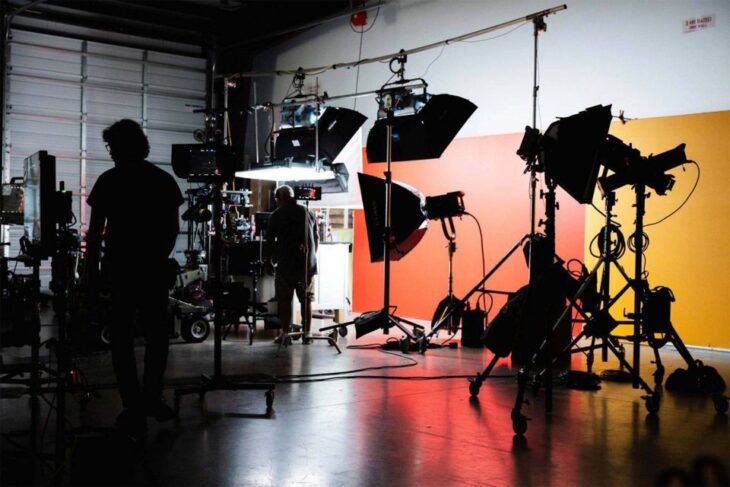
Reassessing a production company’s workflow means examining every process from start to finish.
In the initial stages, SNXP Studio typically focuses on how concepts are formulated, structured, and translated into an easily executable production plan. After that, the execution process is closely examined to identify potential bottlenecks, measure efficiency, and ensure that each team is working in harmony.
Assets, from the resulting shots and VFX elements to audio files, are neatly organized for easy tracking throughout the editing process. Communication between teams is maintained clearly, while feedback from stakeholders is regularly provided to ensure any changes are directed and maintain quality.
Key Areas to Review
Before discussing further, it’s important to understand that every production house has a different work pattern. However, the basic principles remain the same: a well-organized flow, clear communication, and a controlled process will produce solid work.
Here are the key aspects you should review to ensure a smooth process from start to finish.
Pre-Production – Planning
This phase forms the foundation of the entire production process in SNXP Studio.
Briefing and Strategy Development
Reviewing the project brief is crucial to ensure the creative direction is fully understood by all parties. The objectives, visual style, and desired message must be clearly formulated to avoid misinterpretation in later stages.
Once the concept is clear, the execution strategy can be developed more efficiently. The team can determine the creative approach, delivery style, and technical requirements early on, thus minimizing the potential for major revisions late in production.
Resource Allocation
In this phase, equipment suitability is evaluated, from cameras and lighting to audio requirements, to ensure everything is ready to meet the needs of the project. Budget clarity is also checked to avoid wasteful spending or shortages mid-process. Team alignment is crucial. Everyone needs to understand their roles, responsibilities, and goals to ensure smooth coordination during production.
Scheduling
A realistic schedule allows the entire team room to work without sacrificing quality. Each stage is mapped out according to technical requirements and timelines. Furthermore, room for change must be taken into account. Production often faces dynamic on-site environments, so a flexible schedule helps reduce stress and maintain a stable workflow.
Production – Execution
This stage is the core of capturing visual and audio material.
Data Management
Raw footage must be handled systematically, from transfer and folder naming to backup storage. Neat data management prevents the risk of file loss. Good organization also makes it easier for the post-production team to navigate all assets without wasting time searching for specific footage.
Quality on Set
Technical quality control, such as lighting, sound, and camera setup, ensures consistent and professional shooting. Every detail needs to be precise to avoid problems during editing. Quick evaluations during filming help detect errors early on, minimizing reshoots.
Communication
Daily check-ins keep the entire team informed of developments on-site. A clear flow of information expedites the problem-solving process. With controlled communication, any technical or non-technical issues can be addressed promptly without disrupting the smooth running of the shooting schedule.
Post-Production – Review and Delivery
This stage is where all the material is combined into a cohesive piece.
Assembly
From the rough cut to the final lock, this process requires precise coordination. A clear workflow will expedite the transition between versions. Each assembly stage provides an opportunity to refine the visual structure and narrative, making the final product sharper and more understandable.
Feedback Loop
Stakeholder input is gathered in a planned manner to avoid overwhelm the editorial team. Notes need to be prioritized to ensure efficient revisions. Afterward, implementation is carried out according to the agreed-upon creative direction; ensuring changes do not deviate from the project’s initial objectives.
Quality Control
Final inspections cover color accuracy, audio clarity, and VFX details. A thorough QC procedure ensures the final product is free of technical errors. This process also ensures the final file meets distribution standards, both for digital platforms and broadcast needs.
How to Improve Workflow Quality
The following steps can help streamline your entire production process.
Standardize Processes
Templates for project briefs, call sheets, and review forms make each work step more focused. This standardization reduces the risk of miscommunication. With uniform procedures, teams can move faster because they understand the same work patterns on every project.
Centralize Assets
Cloud-based storage makes it easier for teams to access the most up-to-date files, while maintaining version control between files. In addition to ease of access, centralizing assets helps maintain data security because all files are stored in a single, structured ecosystem.
Routine Audits
Regular evaluations help identify bottlenecks, cost overruns, or areas for improvement. Audit findings can then inform updated SOPs or adjusted work strategies for subsequent projects.
Understands All the Flow
You can identify weaknesses in your workflow and refine them, enabling your production house to deliver projects that align with your creative vision while meeting technical requirements.
If you desire a more structured, efficient and professional production process, you can entrust your creative process to SNXP Studio, ready to help you achieve productions with consistent and robust quality standards.