
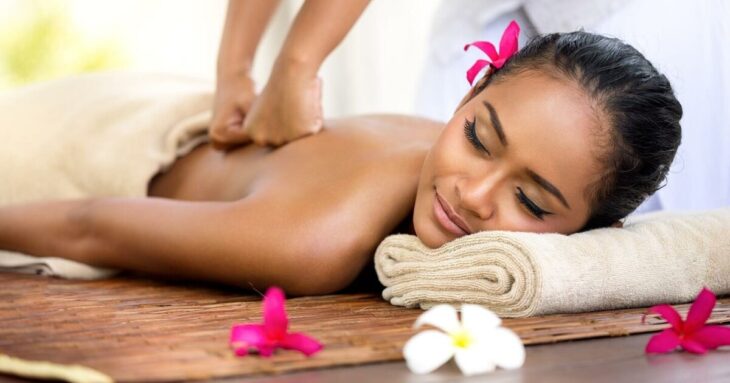
When most people think of Bali, they envision crystal-clear beaches, lush green rice terraces, and vibrant temple ceremonies. But beyond the natural beauty and cultural richness, Bali offers something even more soothing the world-famous Bali massage.
Having heard plenty of hype about traditional massages in Bali, I decided to try one for myself during a recent trip. What I found was a blend of relaxation, cultural tradition, and a few surprises along the way. Here’s my honest review.
Why Balinese Massage is on Every Traveler’s List
Massage in Bali is not just a service but also a ritual that soothes the mind. Whether you’re a backpacker on a shoestring budget or a honeymooner splurging on a five-star villa, the allure of traditional Balinese therapy is almost inescapable. Every travel forum, blog, or guidebook seems to mention it. Some refer to it as “a spiritual reset,” others describe it as “the deepest relaxation I’ve ever felt.”
Balinese massage’s popularity is no accident. It has a long history rooted in a blend of Indian, Chinese, and Southeast Asian influences. It’s not merely about muscle relief but also about balancing energy and promoting inner peace. What sets it apart is the harmony between firm pressure, gentle stretches, aromatherapy, and the intuitive flow of the therapist’s hands.
First Impressions: Clean, Calm, and Comforting
I was guided to a private treatment room that opened onto a lush garden. The massage bed was clean and prepared with flower petals neatly arranged in a bowl below the face cradle, a small but thoughtful detail. Soft gamelan music played in the background, adding to the ambiance. The therapist introduced herself in soft English, asked about my pressure preference, and stepped out briefly to let me undress.
Lying face down, wrapped in a soft sarong, I was ready. And then it began.
The Massage: A Dance of Hands and Healing
The therapist started with long, fluid strokes using warm, aromatic oils. Unlike some massages I’ve had in the West, where pressure is intense and clinical, this felt like a blend of rhythm and ritual. She applied medium pressure, checking in every few minutes to ensure I was comfortable. Her movements were practiced and graceful, moving from my legs to my back, shoulders, and finally to my neck and head.
What stood out was how intentional everything felt. Gentle stretches were integrated into the session, including soft pulls on my arms and light twists to my spine. At one point, she used her forearms to glide across my back in a movement that felt both relaxing and invigorating.
The Final Touch: Thoughtful Details
The massage ended with a warm towel wipe-down to remove excess oil, followed by a quiet moment of rest. The therapist left me to relax for a few minutes and then gently knocked to indicate it was time to get dressed.
Back at the reception area, I was served a refreshing glass of cold lemon water and offered the chance to book another session. There was no pressure, just a polite invitation, something I appreciated.
The Pros: What I Loved
Trying out different Balinese massages helped me decide what I liked about them:
- Authenticity and Atmosphere
The setting felt genuinely Balinese, not overly commercialized or artificial. The open-air design, incense, and soft music created a deeply relaxing environment.
- Skill of the Therapist
She was well-trained and intuitive. Every movement had a purpose, and her attention to detail was evident throughout.
- Holistic Experience
It wasn’t just a massage it was a full-body reset. The combination of physical relief and mental calm was exactly what I needed.
- Affordability
The 90-minute session costs around IDR 250,000 (roughly $16). Compared to Western prices, this felt like luxury at a fraction of the cost.
The Cons: What Could Be Better
Besides the advantages and what I like, some massage places in Bali need to make improvements to make them much better and leave a special impression on tourists.
- Temperature Control
The room was a bit warm, and although a fan was running, I occasionally felt hot during the session. Air conditioning would have made it more comfortable.
- Privacy in Open-Air Rooms
While the treatment room had walls and a curtain, I could still faintly hear another guest talking nearby. Not a dealbreaker, but if you’re sensitive to sound, it might be distracting.
- Language Barrier (Minor)
The therapist spoke basic English, enough to communicate the essentials, but deeper conversation or specific preferences might be harder to express.
Tips for First-Timers
If you’re considering a Bali massage during your trip, here are a few practical tips to make the most of it:
- Don’t eat right before. Give yourself at least an hour after a meal to avoid discomfort.
- Communicate your needs. If you have injuries or sensitive areas, let your therapist know upfront.
- Start with medium pressure. You can always ask for more or less, but beginning in the middle helps gauge your comfort.
- Wear minimal jewelry. Most spas will ask you to undress, so it’s best to arrive without accessories.
- Drink water afterward. Like any deep tissue work, massage releases toxins from muscles—hydration helps flush them out.
- Research the spa. Look for places with good reviews and proper licensing, especially for hygiene and professionalism.
- Don’t rush out. Give yourself at least 10–15 minutes post-treatment to sit, reflect, and let your body absorb the effects.
Experiencing a Bali massage is more than a self-indulgent act it’s an immersion into a healing tradition shaped by generations. It forces you to be still, to feel, to breathe, and to connect with your body in a way that modern life rarely allows.
Whether you’re sore from a volcano trek, drained from too much sun, or just emotionally frayed from travel, this ritual offers more than relief it offers reconnection.
If you come to Bali, don’t leave without experiencing the hands of a skilled therapist. It’s not just about loosening your muscles it’s about unlocking a little more of yourself.